Random Brush: A Textured Script Font That Gives Small Brands an Authentic Edge
It was a Thursday evening, and I was staring at a stack of kraft paper product labels that had just arrived from the printer. Each one looked flat. Lifeless. The kind of label that makes a handmade candle look like an afterthought. I had spent weeks perfecting the wax, testing wicks, and curating scents. But the branding—the font I had chosen—was doing none of the heavy lifting. That is the moment I started searching for something with real texture and personality, and it is exactly how I ended up testing Random Brush for my small business materials.
If you have ever printed labels for a product line, designed a menu for your café, or tried to make an Etsy banner feel less generic, you know the struggle. Typography can either elevate your brand or make it blend into every other shop on the block. Random Brush is a textured brush font from Script Amp that brings an authentic, hand-painted vibe to commercial projects. It is the kind of typeface that makes people stop scrolling and pay attention. Let me walk through how this font performed in real business scenarios and why it might be the missing piece in your brand identity.
What Makes Random Brush Stand Out in a Crowded Font Market
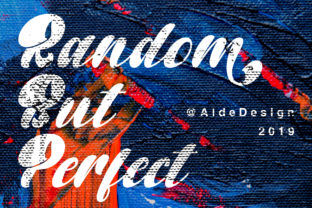
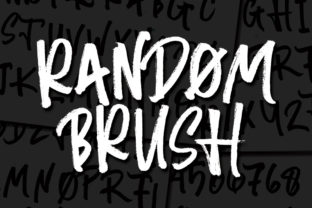
Random Brush belongs to the Script Amp category of fonts, but it is far from a standard script. The textured brush strokes give it a raw, inky quality that mimics real paint on paper. Every letter feels slightly irregular, which is exactly what you want when aiming for an authentic, handmade aesthetic. This is not a polished, perfect vector script. It is messy in all the right ways. The character set includes uppercase and lowercase letters with natural variations, and the overall mood is confident, casual, and slightly rebellious.
For business owners who want their brand to feel approachable rather than corporate, this typeface delivers. The texture works especially well on product packaging, signage, and social media graphics where you want to communicate craftsmanship. When I tested Random Brush on a set of thank-you cards for my small batch skincare line, the difference was immediate. The previous font felt sterile. The new one felt like I had personally handwritten each card with a brush pen. That emotional shift matters when customers are deciding whether to trust a small brand.
Random Brush on Packaging: Labels, Boxes, and Tags That Tell a Story
Let me walk through a specific example that many small product creators will recognize. I redesigned the labels for a limited run of soy candles. The main label featured the scent name in Random Brush at roughly 36 point size, paired with a simple sans serif for the ingredient list. The brush texture caught the light differently on the matte paper, and the slight irregularity in the letterforms made each label feel unique—even though they were all printed from the same digital file. That is the magic of a well-crafted textured font. It introduces imperfection in a controlled way, which makes products feel handmade and deliberate.
For bakery owners, imagine using Random Brush on a pastry box or a cake topper. The bold, wide letterforms read well even at smaller sizes, and the texture holds up beautifully on both coated and uncoated paper. I also tested it on a boutique clothing tag. The brand name in Random Brush, paired with a clean serif for care instructions, created a layered look that felt curated rather than thrown together. Whether you are labeling jars, boxing soaps, or stamping tote bags, this font adds a tactile warmth that standard scripts simply cannot replicate.
Where Random Brush Shines: Headlines, Logos, and Short Statements
This is a display font at its core. Random Brush performs best when used for headlines, product names, logo marks, and short phrases. The textured strokes lose some impact when crammed into long paragraphs or small body text. Keep it between 18 and 72 points for maximum effect. I found it particularly striking on Instagram story titles, website hero sections, and promotional banners. The rough edges draw the eye and create a focal point that guides the viewer naturally into the rest of your content.
For a small coaching brand or creative studio, Random Brush could serve as the primary logo typeface. The hand-painted feel communicates authenticity and personal attention—two qualities that service-based businesses rely on. I mocked up a coaching graphics set with Random Brush for the main headline and a clean sans serif for supporting text, and the contrast was visually engaging without being distracting. The font also includes alternates and ligatures, which give you flexibility to customize the look for different applications. Always check the included styles before purchasing, as the availability of alternate characters can dramatically change how you use the font across your materials.
Readability and Practical Considerations for Business Materials
No matter how beautiful a font looks, if customers cannot read it, it fails. Random Brush maintains strong readability for short strings of text, but I recommend testing it at your intended print size before committing to a full production run. On small product labels under two inches wide, the textured strokes can blur together if the font size is too small. For labels that small, use Random Brush for the primary product name and place supporting information in a cleaner sans serif. On social media graphics and website banners, the font reads clearly on mobile screens as long as you keep the background relatively simple. Busy backgrounds can compete with the texture, so solid colors or subtle gradients work best.
For printed materials like menus, flyers, and business cards, the font holds up well on standard paper stocks. I tested it on a café menu mockup with Random Brush for the section headers and a classic serif font for menu items. The brush texture added warmth to the header without making the menu feel chaotic. The same approach works for thank-you cards, stickers, and small signage. Just remember that this is a creative font, not a workhorse text face. Reserve it for moments where you want to make an impression.
Simple Font Pairing Ideas That Work With Random Brush
Pairing Random Brush with a complementary typeface is the fastest way to elevate your brand identity. A clean sans serif like Montserrat, Open Sans, or Lato provides a neutral counterbalance to the textured brush strokes. The contrast between rough and smooth creates visual hierarchy and makes your design feel intentional. For a more elegant contrast, try a refined serif such as Playfair Display or Cormorant Garamond. The serif brings a touch of sophistication that balances the raw energy of the brush script.
If you want to lean fully into a handwritten, organic aesthetic, pair Random Brush with a simple handwritten or script font that is less textured. Just avoid pairing it with another highly textured brush font, as the two can compete for attention. I have also seen excellent results using Random Brush as the hero font with a modern geometric sans serif for body text. The pairing works across product labels, website headers, social media templates, and even editorial design layouts. The key is letting Random Brush do the talking while the supporting font keeps everything grounded and readable.
Commercial Licensing and Practical Next Steps
Before you start using Random Brush on products, packaging, or client work, verify the commercial font license details on Script Amp. Font licensing can vary between personal use, commercial use, and extended licenses that cover merchandise, digital downloads, and templates. If you are designing labels for products you sell, updating your Etsy shop banner, or creating templates for clients, confirm that your license covers those specific applications. A properly licensed font protects your business and ensures you can use the typeface confidently across all your materials without legal headaches.
Check what file formats are included—typically OTF, TTF, or WOFF—and whether alternates, ligatures, and multilingual support are part of the package. Having access to ligatures and stylistic alternates gives you more creative control when designing logos or custom headlines. Multilingual support is essential if your customer base spans different languages. Taking five minutes to review these details before you download will save you from surprises later in the design process.
For small business owners, entrepreneurs, and creators who want their branding to feel authentic without sacrificing polish, Random Brush from Script Amp is a strong addition to your typeface library. It brings texture, personality, and a handcrafted feel that resonates with today's customers. Whether you are updating product labels, refreshing a café menu, designing thank-you cards, or building a cohesive social media presence, this font gives you a distinctive visual voice. Test it on one project first—a single label or a banner—and see how the texture changes the way people perceive your work. More often than not, that small typography upgrade is what makes a brand go from forgettable to memorable.