Fuzzybrand: A Handwritten Typeface for Digital Creators
When you spend your days building websites, landing pages, and digital products, you quickly learn that typography is never just decoration. It shapes how visitors feel, where they look, and whether they stay. Fuzzybrand is a cool, casual handwritten font with a warm feel, and it brings something rare to modern web design: personality without noise. It has the kind of unpolished charm that feels human, approachable, and intentional. For designers working on brand-focused web experiences, this is a typeface that can add real emotional texture without sacrificing readability.
What Makes Fuzzybrand Stand Out in Digital Design
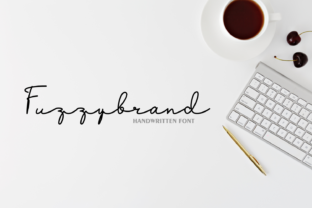
At first glance, Fuzzybrand reads like a friendly handwritten note. The strokes are relaxed, the letterforms are slightly irregular, and there is a gentle warmth that makes you want to trust the message. Unlike many script fonts that feel either too formal or too playful, Fuzzybrand sits right in the middle. It has a casual confidence that works for creative portfolios, boutique online stores, coaching websites, and product landing pages. Its handwritten quality adds a layer of authenticity that a standard sans serif simply cannot deliver. In a digital space where users are bombarded with polished, generic layouts, Fuzzybrand helps your design feel made by a person, not a template.
Hero Sections and Headers
Fuzzybrand is at its best when used for hero titles and primary headings. Its hand-drawn look draws the eye immediately and sets the tone for the entire page. On a homepage for a creative entrepreneur or a small brand, a Fuzzybrand headline can communicate warmth, creativity, and approachability from the first second. Pair it with a clean sans serif body font, and you create a strong visual hierarchy that guides the visitor naturally. Keep the headline short to let the letterforms breathe and maintain impact on both desktop and mobile screens.
Call-to-Action Areas and Buttons
Buttons and call-to-action text often get reduced to simple sans serif labels, but Fuzzybrand can change that. When used for short action phrases on buttons or banner overlays, it adds a human touch that feels more like an invitation than an instruction. For example, a "Get Started" or "Join the Club" button set in Fuzzybrand can feel warmer and more personal, which may improve click-through rates on landing pages aimed at creative audiences. Just ensure the text is large enough to remain legible at button size, especially on touch devices.
Logos and Brand Text
Fuzzybrand works beautifully for logo text and brand wordmarks, especially for small businesses, freelancers, and digital creators who want a recognizable yet approachable identity. Its handwritten style gives a brand a sense of personality and craftsmanship. When building a digital brand kit, Fuzzybrand can serve as the primary display typeface for the logo, while a simple sans serif handles body copy. This pairing keeps the brand identity consistent across website headers, social media graphics, and email templates.
Readability and Responsive Considerations
Any web designer knows that a beautiful font is useless if it fails on mobile. Fuzzybrand performs well on screens when used at medium to large sizes. For headings and hero text above 24px, it remains clear and easy to scan. On smaller screens, avoid using Fuzzybrand for body copy or any text below 18px, as the handwritten details can blur and reduce legibility. Instead, reserve it for display purposes such as section headings, pull quotes, and decorative accents. When using Fuzzybrand on dark backgrounds or image overlays, increase the font weight or add a subtle text shadow to maintain contrast. On light backgrounds, it reads naturally without extra adjustments.
Practical Examples for Real Projects
- Creative portfolio site: Use Fuzzybrand for the main heading on the homepage and project titles. Pair it with a clean sans serif like Inter or Work Sans for project descriptions and navigation. This combination gives the portfolio a modern, handmade feel without losing professionalism.
- Boutique online store: Fuzzybrand works well for product category headers, sale banners, and logo text. The warmth of the font complements handmade or curated products. Keep product descriptions and pricing in a neutral sans serif to maintain clarity.
- Coaching or wellness website: A Fuzzybrand headline on the hero section can immediately signal empathy and a personal approach. Use it sparingly for section titles and testimonial highlights to keep the design calm and inviting.
- Course sales page: Fuzzybrand can add a friendly, educational tone to course titles and bonus highlights. When used alongside a structured sans serif for bullet points and curriculum details, it creates a layout that feels both trustworthy and creative.
- Blog header and featured quotes: Blog headers set in Fuzzybrand can make content sections feel more editorial and human. Use it for pull quotes or highlighted takeaways to break up text blocks and draw attention to key messages.
Font Pairing Strategies for Web Design
Fuzzybrand pairs naturally with a range of typefaces. For most digital projects, a simple sans serif is the best companion. Fonts like Open Sans, Lato, or Montserrat provide a neutral, modern contrast that lets Fuzzybrand take the spotlight without competing. If you want a more editorial feel, consider pairing Fuzzybrand with a serif font like Playfair Display or Cormorant Garamond for body copy. The combination of handwritten warmth and classic serif structure can elevate brand pages, blog layouts, and digital magazines. Always test your pairings on actual screen sizes to ensure the contrast supports reading flow and visual hierarchy.
File Formats and Webfont Availability
When using Fuzzybrand in web projects, check whether the font is available as a webfont format such as WOFF or WOFF2. Many premium handwritten fonts, including those in the Script Amp category, come with multiple file formats suitable for both web and print. Fuzzybrand typically includes standard OpenType features and character alternates that add to its handwritten authenticity. These alternates can reduce repetition when used across multiple headings, making your text look more natural and less like a digital replication. If you plan to use Fuzzybrand across a client site or a commercial product, confirm that the license covers web embedding, which is standard for most premium fonts but always worth verifying.
Licensing for Commercial Web Projects
Fuzzybrand, like many quality fonts in the Script Amp and Fonts categories, is a commercial font. This means using it on client websites, online stores, landing pages, digital templates, or brand assets requires proper licensing. Whether you are designing a single landing page or a full brand identity, make sure the license covers the number of sites or projects you intend to use it for. Some font licenses are per-project, while others allow broader usage across multiple domains. Always read the licensing terms before embedding Fuzzybrand in a production environment. This protects both you and your client and ensures the font remains a professional asset in your toolkit.
Bringing Warmth to Digital Brand Identity
In web design, the smallest typographic choices influence how users perceive a brand. Fuzzybrand offers a way to inject warmth and personality into digital spaces that often feel cold and uniform. Whether you are building a portfolio, an online store, or a course platform, this handwritten font can help your design feel more genuine and approachable. It works best when used deliberately: as a display font for headings, logos, and accent text, paired with a neutral sans serif or serif for body copy. With careful sizing, contrast, and responsive testing, Fuzzybrand becomes a reliable tool for creating brand-focused web experiences that stand out and connect with visitors on a human level.